
oyuhazel416011
About oyuhazel416011
Revolutionizing Private Aircraft Flights: The Future of Air Journey
In recent years, the private aviation trade has witnessed remarkable developments which have redefined the panorama of air journey. Innovations in expertise, sustainability, and customer experience have made private flights more accessible, efficient, and environmentally friendly than ever earlier than. This text explores these demonstrable advances in private aircraft flights, highlighting the important thing traits shaping the future of this sector.
One of the most vital developments in private aviation is the combination of superior expertise into aircraft design and operation. Manufacturers are increasingly adopting reducing-edge materials and engineering strategies to create lighter, extra gas-environment friendly aircraft. As an example, using composite materials, corresponding to carbon fiber, has turn out to be prevalent, permitting for the construction of lighter airframes that improve efficiency and reduce gasoline consumption. This not solely contributes to lower operational prices for homeowners but also minimizes the environmental impression of private flights.
Furthermore, developments in avionics have transformed the way in which pilots function private aircraft. Fashionable cockpit systems are geared up with subtle navigation and communication technologies, such as satellite-primarily based GPS and advanced weather radar, which enhance security and efficiency. These improvements enable pilots to make informed selections in real-time, enhancing flight planning and decreasing delays. The introduction of fly-by-wire know-how, which replaces conventional mechanical controls with digital programs, has further streamlined aircraft operation, allowing for higher precision and responsiveness.
Another notable trend in private aviation is the rise of on-demand flight services, facilitated by digital platforms and cellular applications. Companies like JetSmarter, Blade, and Wheels Up have revolutionized the way individuals guide private flights, providing a user-friendly expertise that mirrors the convenience of ride-sharing apps. Passengers can now book seats on shared flights or charter whole aircraft with just a few taps on their smartphones. This democratization of private aviation has made it extra accessible to a broader audience, allowing travelers to take pleasure in the advantages of private flights with out the need for possession.
Along with convenience, the on-demand model has led to increased effectivity in aircraft utilization. By optimizing flight schedules and reducing empty leg flights—when an aircraft returns to its base with out passengers—these platforms contribute to a more sustainable method to private aviation. Operators can better match supply with demand, minimizing waste and maximizing the usage of available sources.
Sustainability has emerged as a crucial focus for the private aviation trade, pushed by rising consciousness of climate change and environmental considerations. Because of this, manufacturers and operators are actively exploring different fuels and technologies to cut back carbon emissions. Sustainable aviation fuels (SAFs), derived from renewable resources, are gaining traction, with a number of private jet operators committing to integrating these fuels into their fleets. SAFs can scale back lifecycle greenhouse gas emissions by as much as 80% in comparison with traditional jet fuels, making them a viable resolution for achieving carbon-neutral flights.
Along with SAFs, the industry is investing in electric and hybrid aircraft as a part of a broader strategy to cut back its carbon footprint. Firms like Alice, developed by Israeli startup Eviation, are pioneering fully electric aircraft designed for regional travel. These progressive aircraft promise lower operating costs and zero emissions throughout flight, representing a significant step toward sustainable aviation. Whereas still in the early phases of development, electric aircraft have the potential to revolutionize brief-haul journey and contribute to a greener future for private aviation.
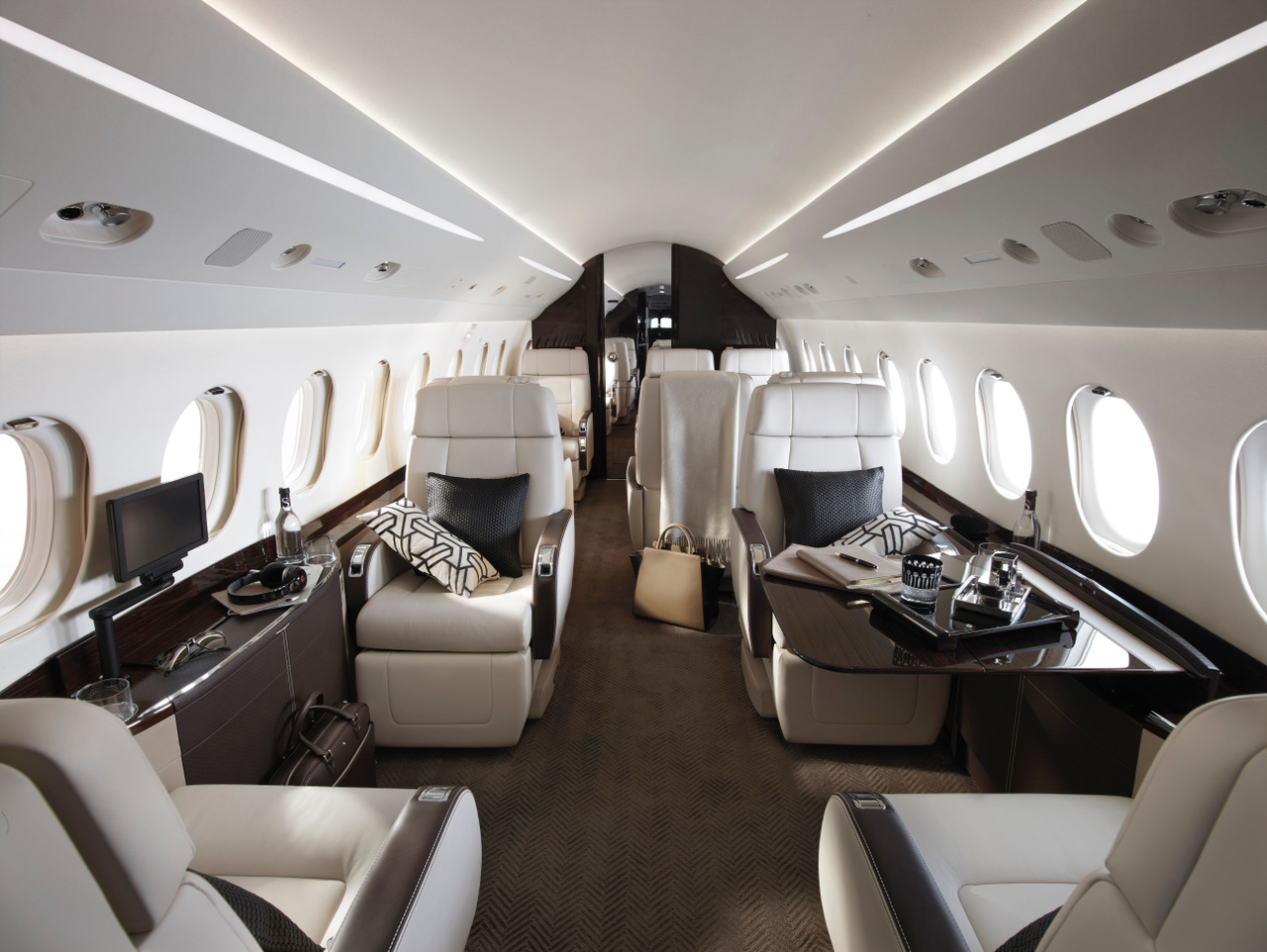
Customer expertise is another area the place private aviation has made vital strides. The rise of personalized services and luxury amenities has reworked private flights into exclusive experiences tailor-made to individual preferences. From gourmet catering options to bespoke in-flight leisure techniques, private jet operators are focused on enhancing the overall travel expertise for his or her passengers. The ability to customize each side of a flight—from departure occasions to onboard services—ensures that travelers get pleasure from a stage of consolation and convenience that business airlines cannot match.
Furthermore, developments in cabin design and know-how have elevated the in-flight experience. Trendy private jets are geared up with state-of-the-art leisure methods, high-speed web connectivity, and luxurious interiors that rival 5-star motels. The trend towards creating multi-purposeful spaces throughout the cabin allows passengers to work, relax, or entertain guests seamlessly throughout their flights. This emphasis on consolation and productivity has made private aviation a lovely option for business executives and leisure travelers alike.
Security remains a top priority in private aviation, and recent advancements have further enhanced security measures. The implementation of rigorous upkeep protocols, actual-time monitoring methods, and advanced security applied sciences has considerably improved the reliability of private aircraft. Operators now utilize information analytics to monitor aircraft efficiency and establish potential issues earlier than they develop into critical. This proactive strategy to safety not only protects passengers but additionally instills confidence within the private aviation expertise.
The COVID-19 pandemic has additionally accelerated changes in private aviation, with an increased emphasis on well being and safety protocols. Enhanced cleansing measures, contactless services, and diminished passenger masses have develop into normal practices to ensure passenger safety. As travelers search alternate options to crowded commercial flights, private aviation has positioned itself as a safer possibility, leading to a surge in demand for private charters and fractional ownership programs.
Looking ahead, the way forward for private aircraft flights appears promising, with ongoing innovation and adaptation driving the business forward. As expertise continues to advance, we will anticipate to see even more efficient and sustainable aircraft designs, alongside enhanced customer experiences. The combination of synthetic intelligence and information analytics into flight operations will further optimize scheduling and maintenance, leading to improved efficiency and price-effectiveness.
In conclusion, the private aviation business is undergoing a transformative period characterized by technological advancements, sustainability initiatives, and a heightened focus on buyer experience. These demonstrable advances are reshaping the best way people strategy air travel, making private flights extra accessible, efficient, and environmentally pleasant. As the industry continues to innovate, the way forward for private aircraft flights (visit the next web site) holds nice potential for each travelers and the atmosphere, paving the best way for a new period of air journey.
No listing found.